If you've ever felt like a failure because you can't stick to a meal plan, I have good news: it's not you. It's the system. Traditional meal planning is fundamentally broken, and millions of people blame themselves for a method that was never going to work.
Let's talk about why meal planning fails so often, and what you can do instead.
The Dirty Secret About Meal Planning
Here's what no meal planning app or Pinterest board will tell you: the entire system is built on an assumption that doesn't match reality.
The assumption? That you can accurately predict what you'll want to eat days in advance, and that your life will cooperate with those predictions.
Think about it. When you sit down on Sunday to plan the week, you're essentially asking: "What will Tuesday-me want for dinner after a day I haven't lived yet?"
You don't know if Tuesday will be stressful or smooth. You don't know if you'll be exhausted or energized. You don't know if the kids will have a meltdown at 5pm or if a work crisis will eat into your evening.
Yet traditional meal planning asks you to commit to "Grilled Salmon with Asparagus" for Tuesday like it's a dental appointment.
Why You "Fail" at Meal Planning
If you've ever abandoned a meal plan by Wednesday, you're in the majority. Here's why it happens to almost everyone:
Your Mood Changes
You planned salmon for Tuesday, but when Tuesday arrives, you're drained. You don't want fish, you want comfort food. You want pasta. You want something warm and easy that doesn't require careful timing.
But the salmon is there, thawed and waiting. So you either force yourself to make something you don't want, or you feel guilty for "failing" and order takeout instead.
Life Happens
That 45-minute recipe you planned? Completely unrealistic when your meeting runs late, the kids have practice, and you're walking in the door at 6:30 instead of 5:30.
Rigid meal plans assume every day unfolds predictably. But days don't cooperate. Traffic happens. Emergencies happen. Exhaustion happens.
The Guilt Spiral
Here's the cruelest part: miss one day, and the whole system feels broken. You skipped Wednesday's stir-fry, so now Thursday's schedule is off. The vegetables you bought for Wednesday are wilting. The carefully orchestrated week is in chaos.
So what do you do? You abandon the whole thing. Not because you're lazy or undisciplined, but because the system has no tolerance for real life.
Food Goes to Waste
This is the practical consequence: rigid plans lead to wasted ingredients. You bought salmon for Tuesday, but you didn't make it. Now it's Friday and the salmon is suspect. Into the trash it goes, along with your money and your motivation.
The Real Problem: Rigid Systems
The problem isn't your willpower. The problem isn't your cooking skills. The problem is that most meal planning systems treat dinner like a dentist appointment, something you schedule and show up for regardless of circumstances.
But dinner isn't a dentist appointment. It's a daily decision influenced by:
- Your energy level after the day you actually had
- What sounds appealing right now
- How much time you actually have tonight
- What's still fresh in your fridge
- Who's home and what they're in the mood for
The calendar-based approach ignores all of this. It says: "On Tuesday, you will make salmon." It doesn't care that Tuesday-you is exhausted and craving mac and cheese.
You don't schedule what shirt you'll wear on Friday. Why would you schedule exactly what you'll eat?
What Actually Works
Here's the shift that changes everything: build options, not obligations.
I built Peel around this shift because I lived the failure myself. I'd plan our whole week on Sunday, feel great about it, and then a random Thursday event would blow the plan up. It didn't just feel inconvenient, it felt like I'd let the week down. So I stopped using a calendar and built a pool instead, and the guilt disappeared.
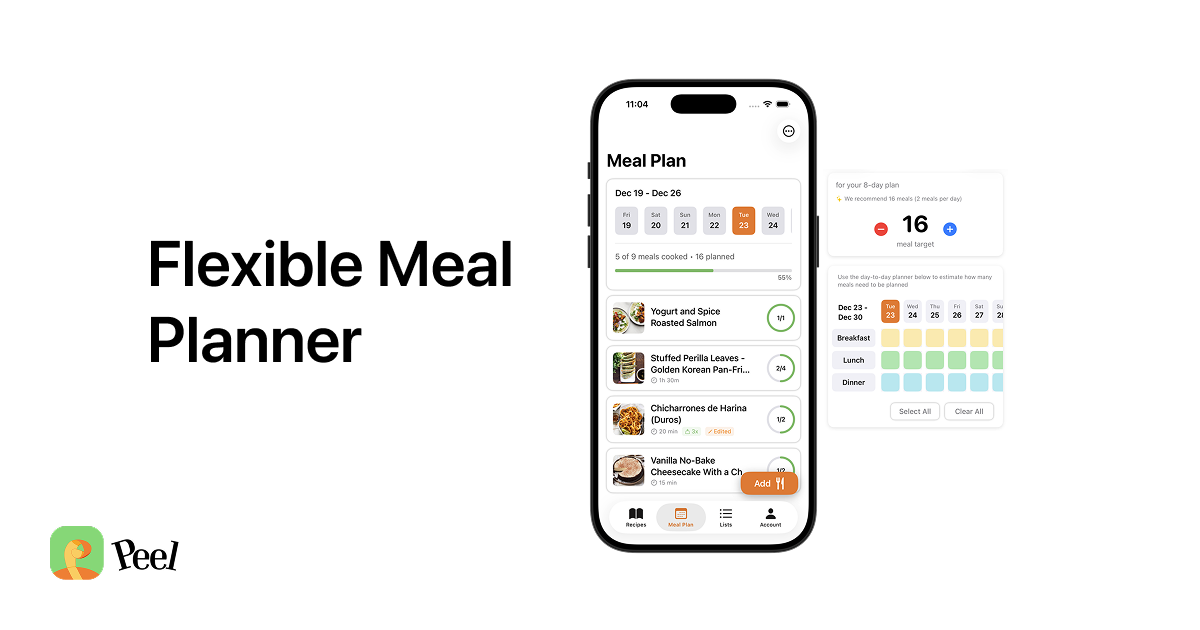
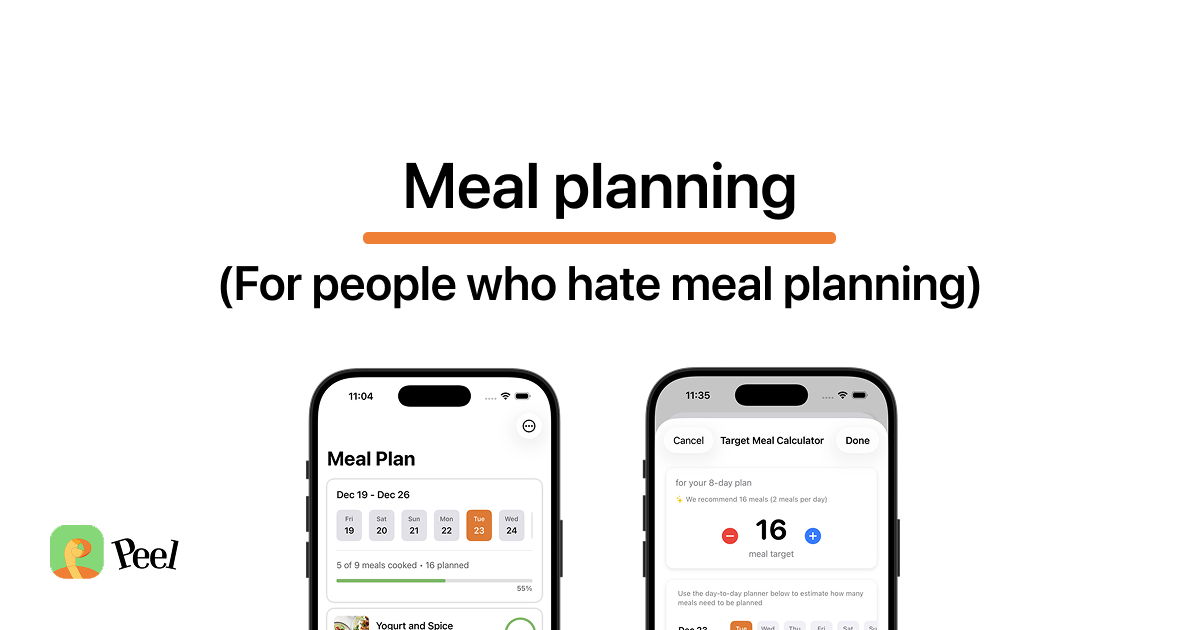
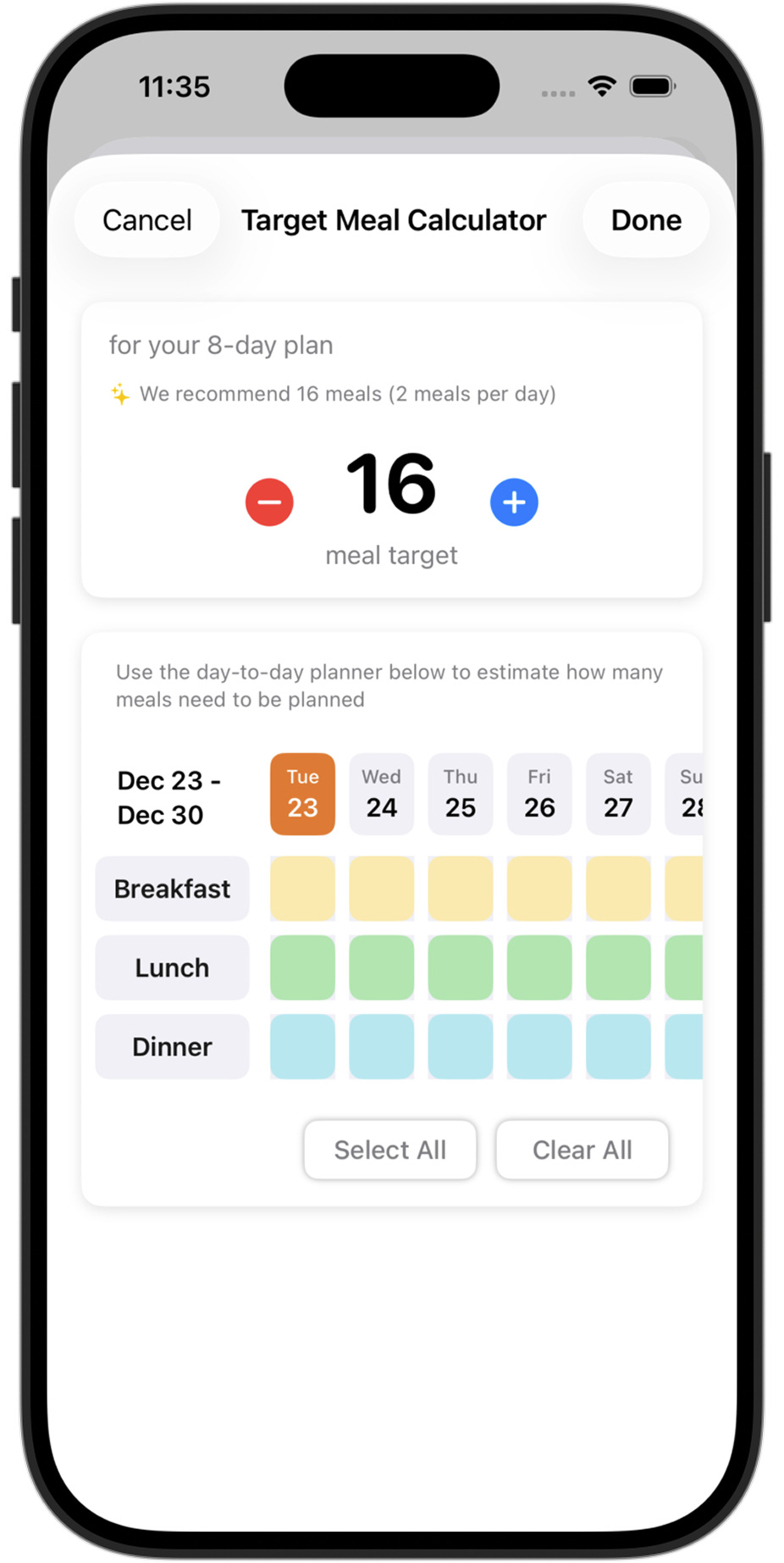
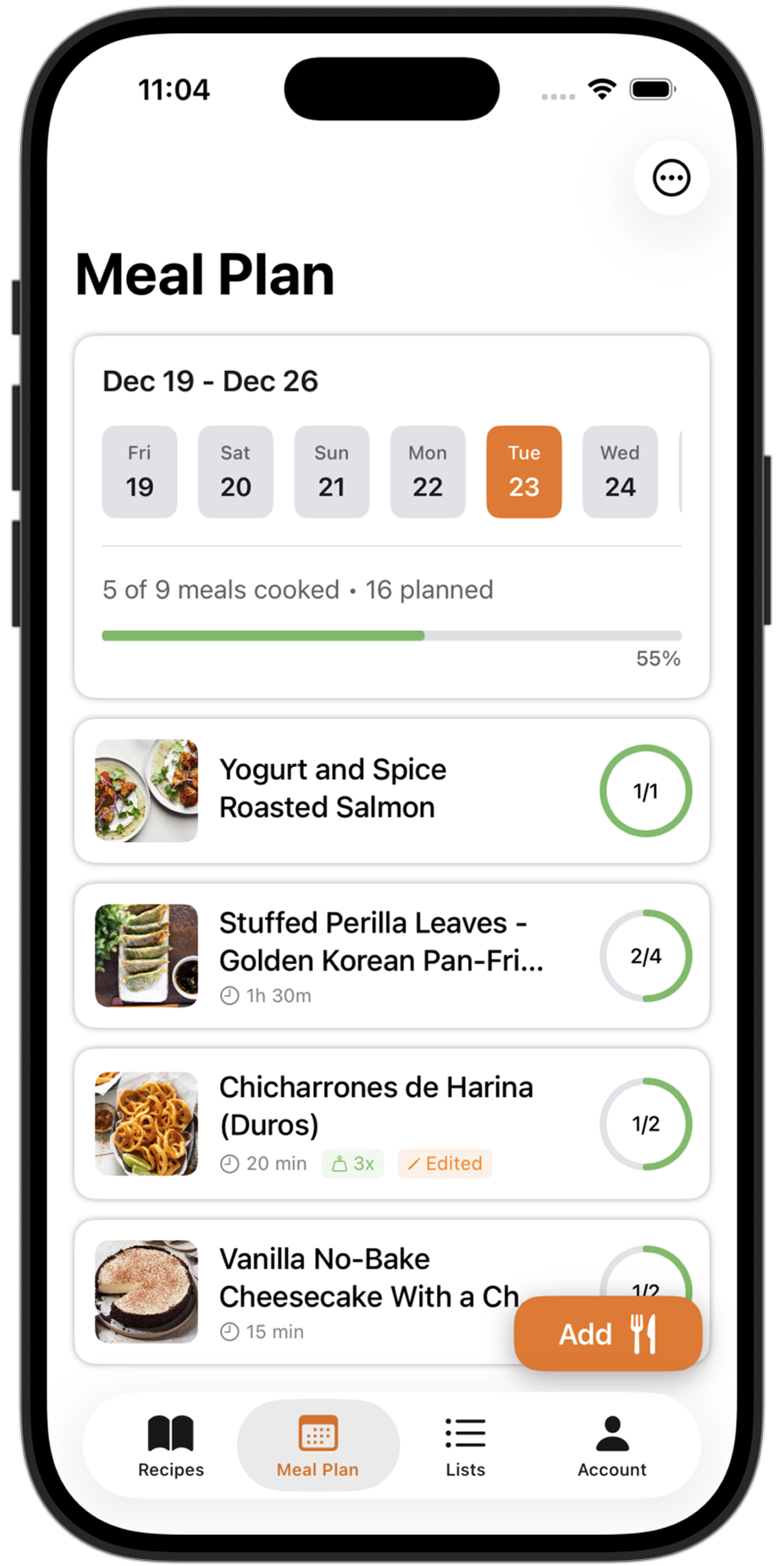
Instead of assigning specific meals to specific days, you create a pool of possibilities. You do the thinking and shopping upfront, that's the real work of meal planning. But you make the actual cooking decision in the moment, when you know what kind of day you've had and what sounds good.
This is called flexible meal planning, and it works because it matches how you actually make decisions.
The Meal Pool Concept
Here's how it works:
- Pick a time window. Maybe it's 5 days, maybe it's 2 weeks. You decide.
- Add recipes to a pool. These are options, not assignments. If you're cooking 5 dinners, add 5-7 recipes you'd be happy making.
- Shop for everything. Your grocery list covers all the ingredients for all your options.
- Decide each day. Look at your pool, consider your mood and energy, and pick what sounds good tonight.
The magic? Every choice is a good choice. You're not "failing" by picking the easy pasta over the elaborate salmon. Both were options you approved. Both are wins.
Why This Works
Flexible planning respects how you actually operate:
- No guilt. There's no "right" meal for Tuesday. You pick from pre-approved options based on reality.
- No waste. Ingredients don't go bad waiting for their "assigned day." You use things when you're ready.
- No cascading failure. Skip a cooking night? No problem. Your pool is still there tomorrow with the same options.
- Choice feels good. You're not following orders, you're making empowered decisions from a curated menu.
A Simple Shift to Try This Week
Want to test this approach? Here's a low-commitment way to start:
- Pick 5 recipes you'd genuinely enjoy making this week. Don't over-think it, just choose things that sound good.
- Shop for all ingredients. Buy everything you need for all 5 options.
- Each day, choose based on mood. Look at your 5 options and pick the one that fits your energy and cravings.
- Notice the difference. Pay attention to how it feels compared to rigid planning.
That's it. No elaborate system. No color-coded calendar. Just options you've pre-approved and the freedom to choose among them.
You're Not Bad at Planning
If you've struggled with meal planning, please hear this: you're not bad at it. You were using a system designed to fail.
Rigid meal plans work for a small percentage of people who have highly predictable schedules and consistent energy levels. For everyone else, which is most of us, they're a setup for guilt and wasted food.
You don't need more discipline. You need a better system, one that works with your life instead of demanding that your life conform to a spreadsheet. If you're shopping around, it helps to know what to look for in the best meal planning app for people who cook by feel rather than by schedule.
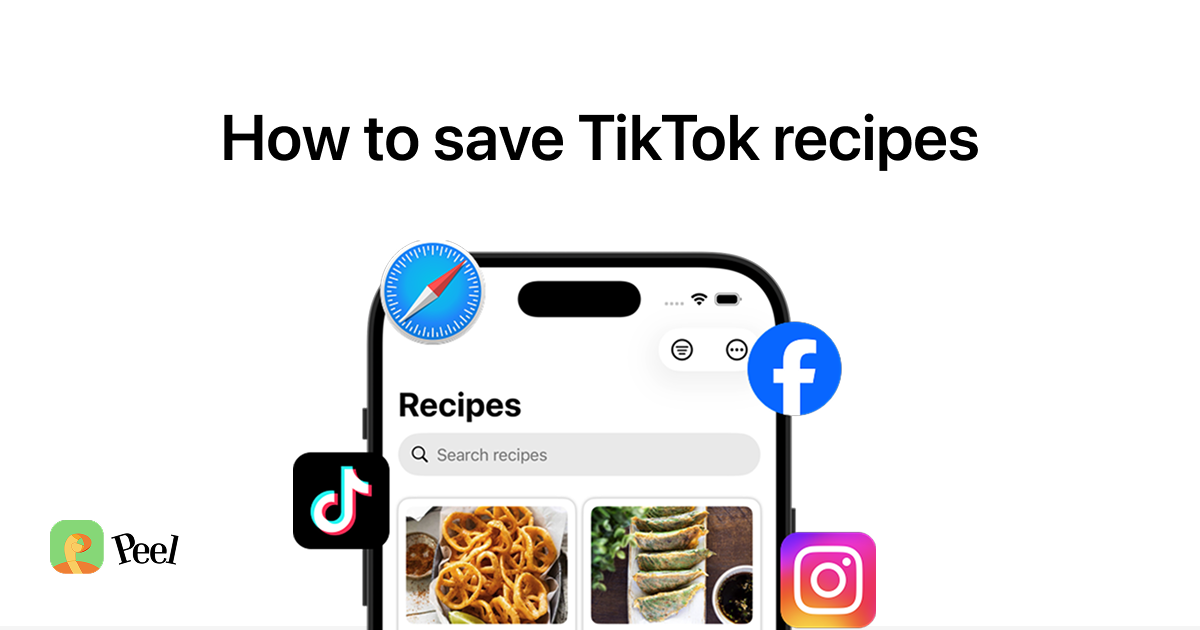
If you want an app built around this flexible approach, Peel was designed specifically for meal pool planning. Save recipes from TikTok, Instagram, and websites, add them to your pool, and let your grocery list generate automatically. If you're weighing your options, our rundown of the best free meal planning apps compares this flexible style against the usual calendar-based tools. But the concept works with any system, even a simple notes app.
The key is the mindset shift: build options, not obligations. Plan the ingredients, not the schedule. And give yourself permission to decide in the moment.
You're not failing at meal planning. You just need a system that actually works like you do.
Last updated: August 2026