The best free apps for meal planning right now are Peel, Mealime, and Eat This Much. Peel is the only one built around a flexible "meal pool" instead of a rigid day-by-day calendar, with a free tier that includes unlimited recipe storage and web imports. Mealime generates a weekly plan from its own recipe library for free. Eat This Much builds daily, macro-based plans for free but locks automatic grocery lists behind its paid tier. None of them require a credit card to start.
You've tried meal planning before. You downloaded an app, maybe bought a pretty planner, filled out breakfast, lunch, and dinner for the whole week. By Wednesday, you'd abandoned ship. Sound familiar?
The problem isn't your willpower or your cooking skills. The problem is that traditional meal planning is built on a fundamentally flawed assumption: that you'll know what you want to eat days in advance.
Get Peel free and build your first meal pool → Save recipes from anywhere, then cook whatever sounds good each day.
Free Apps for Flexible Meal Planning
If you're looking for an app to actually run this method, here's how the free tiers of the main options compare. This list only includes apps with a real, permanent free tier, not a trial that expires. For a deeper breakdown of what "actually free" means across more apps, see our full guide to the best free meal planning apps.
| App | Free tier | Premium price | Platforms | Planning style |
|---|---|---|---|---|
| Peel | Unlimited recipe storage, unlimited web imports, meal planning, grocery lists, weekly-refreshing social import credits | $2.99/mo or $29.99/yr | iOS | Flexible pool, cook what sounds good |
| Mealime | Auto-generated weekly plan from Mealime's library, grocery list | $5.99/mo or $49.99/yr | iOS, Android, Web | Rigid weekly calendar |
| Eat This Much | Daily macro-based meal plans, food tracking. No automatic grocery list or week-long planning on free | $5/mo (billed annually) | iOS, Android, Web | Daily, macro-driven |
| Ollie | 7-day trial only, no permanent free tier, card required to start | $10/mo or $7/mo annual | iOS, Android | Rigid weekly calendar |
| Paprika | No free tier | $4.99 one-time | iOS, Android, Web, Mac, Windows | Recipe organization, manual planning |
Mealime and Eat This Much both work well if you want an app to hand you a plan. But they're both still calendar-shaped: a plan for Monday, a plan for Tuesday. If the flexible, pick-what-sounds-good approach below is what you're after, Peel is the one built specifically for it.
Try Peel's free tier → Unlimited recipe storage and web imports, no calendar, no lockout.
Why Rigid Meal Plans Fail
Traditional meal planning asks you to assign specific recipes to specific days. Monday is tacos. Tuesday is salmon. Wednesday is stir-fry. It looks organized. It feels productive. And then life happens.
- Your mood changes. You planned salmon for Tuesday, but Tuesday-you're exhausted and want comfort food, not fish.
- Plans shift. That work meeting ran late. The kids have practice. Suddenly your 45-minute recipe feels impossible.
- Ingredients go bad. You bought everything for the week, but when you skip Wednesday's dinner, those vegetables start wilting.
- Guilt compounds. Miss one day and the whole system feels broken. So you abandon it entirely.
The rigid calendar-based approach treats cooking like an appointment you can't miss. But dinner isn't a dentist visit. It's a daily decision influenced by energy levels, cravings, time constraints, and what's actually fresh in your fridge.
What Is Flexible Meal Planning?
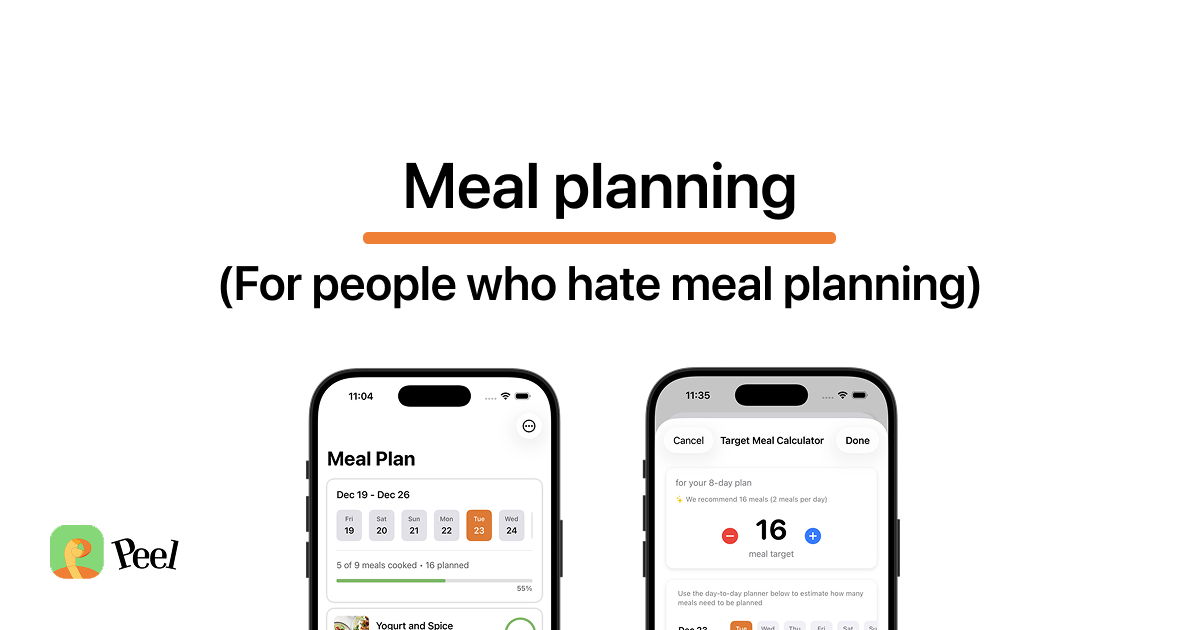
Flexible meal planning is a different philosophy. Instead of assigning recipes to specific days, you build a pool of options for a time period you choose. Then you pick what to cook based on your mood each day.
Think of it like this: traditional meal planning is a rigid itinerary. Flexible meal planning is a well-stocked pantry of possibilities.
The Core Concept: The Meal Pool
An honest note from me, Jason, founder of Peel: "meal pool" isn't some established methodology. I made it up. But I think it captures the purpose better than anything else I tried. You create a pool of meals you'll cook this stretch of time (long or short, a week or two weeks), and you pick out of the pool as you go. That's the whole idea.
Here's how it works:
- Choose your planning window. Maybe it's 5 days. Maybe it's 2 weeks. You decide how far ahead you want to think.
- Add recipes to your pool. Browse your saved recipes, find inspiration from TikTok or websites, and add options you're excited about. If you're planning for 7 days and cooking dinner 5 nights, add 5-7 recipes.
- Generate your grocery list. Your list covers all the ingredients from your pool, so you're prepared for any option.
- Cook what sounds good. Each evening, look at your pool and pick based on your mood, energy, and what's freshest in the fridge.
- Mark it cooked. As you make recipes, they leave the pool. What's left are your remaining options.
Why Flexible Meal Planning Works
It Respects How You Actually Decide
Most of us don't know what we want for dinner until we're thinking about dinner. Flexible planning accepts this reality. You've already done the hard work (deciding what recipes to make this week, shopping for ingredients). The daily decision becomes simple: "Which of these 5 options sounds good tonight?"
It Reduces Food Waste
With rigid planning, skipping a meal means ingredients go unused. With flexible planning, nothing is wasted because you're always choosing from what's available. That salmon you bought isn't locked to Tuesday, it'll get cooked whenever you're in the mood for it.
It Builds on Momentum
There's no "falling off the wagon" with flexible planning. Didn't cook last night? No problem. Your pool is still there, waiting. There's no cascading failure when one day doesn't go as expected.
It Makes Cooking Feel Like a Choice, Not a Chore
When dinner is something you have to make, it feels like work. When dinner is something you get to choose from a curated set of options you're excited about, it feels empowering.
Start your first meal pool in Peel → Free to try, no calendar to fill in.
How to Start Flexible Meal Planning
Step 1: Gather Your Recipes
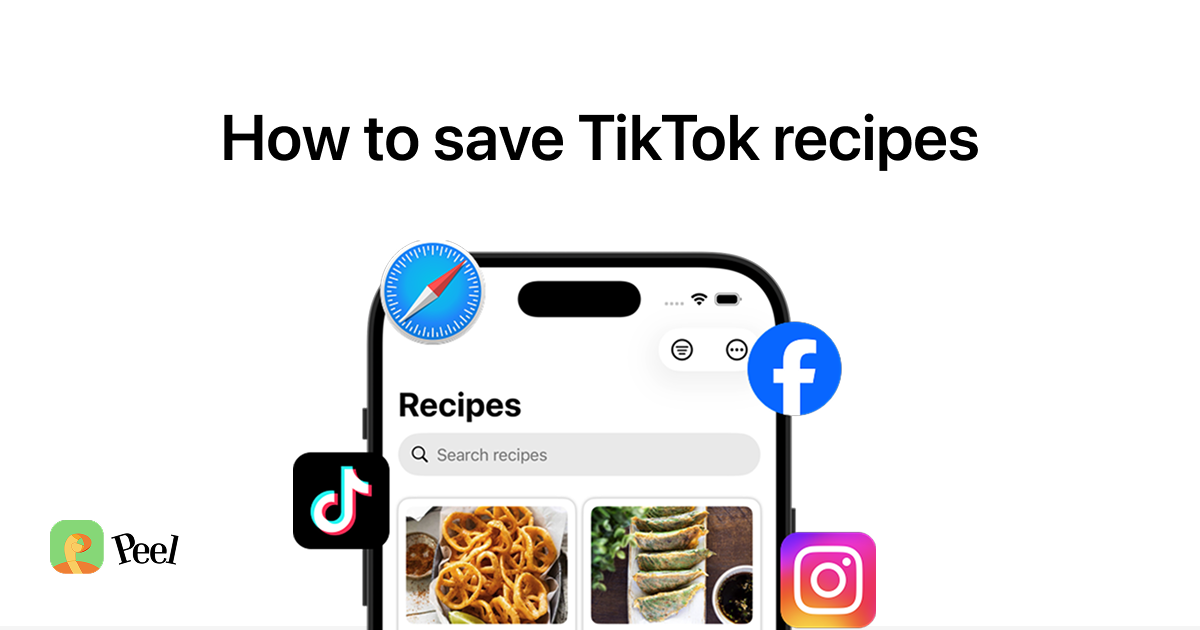
First, you need a collection of recipes to draw from. If your recipes are scattered across TikTok saves, Instagram bookmarks, screenshots, and random notes, consolidate them. Apps like Peel let you save recipes from anywhere and keep them organized in one place.
Step 2: Pick Your Planning Window
Start with a comfortable timeframe. If weekly planning feels overwhelming, try 4-5 days. If you like shopping once every two weeks, plan for 10-12 days. There's no right answer, just what works for your life.
Step 3: Build Your Pool
Add recipes that match the time and energy you'll have. Include a mix:
- 1-2 quick weeknight meals (under 30 minutes)
- 1-2 medium-effort recipes (30-45 minutes)
- 1 "project" meal for when you have more time
- 1 leftover-friendly recipe that makes extra
Step 4: Shop Once
Generate your grocery list from the entire pool. This is where flexible planning shines: you buy everything you need upfront, so you're prepared for any choice you make during the week.
Step 5: Decide Each Day
Each evening (or morning, if you prefer), look at your pool and pick what sounds good. Consider:
- What's freshest in the fridge?
- How much energy do you have?
- What are you craving?
- How much time do you have?
The beauty is that every answer is a good answer. You're choosing from options you already approved.
Save the Plans That Work, and Reuse Them
Here's the part that compounds. Once a pool works for you, save it. A few weeks later you can pull it back up, tweak a recipe or two, and use it as a base instead of starting from a blank page. Over time you build a small library of plans you trust: a quick-weeknight base, a batch-cooking base, a plan built around a cuisine you love. When you don't feel like thinking, you load one and adjust.
This is the real difference between a folder of saved recipes and an actual plan. A collection is just where ideas live. A saved plan is where those ideas have already been arranged into something you can cook from this week, and the more of them you save, the faster planning gets. It's also how you notice which recipes keep coming back, the ones that quietly become your all-time favorites and family classics. If you want to see this whole approach in one place, our guide to the best meal planning app walks through building a plan from your own recipes and reusing it later.
Build your pool in Peel and save the plans that work → Free to start, and your recipes are never locked out.
Frequently Asked Questions
What if ingredients overlap between recipes?
This is actually ideal. When multiple recipes share ingredients (onions, garlic, olive oil), you're buying efficiently. A smart grocery list will combine quantities so you know exactly how much to buy.
What about perishables?
Build your pool with freshness in mind. Plan to cook fish or delicate greens earlier in your window. Heartier ingredients like root vegetables, dried pasta, or canned goods can wait for later in the week.
How do I handle leftovers?
Leftovers become bonus options. If you made extra chili on Monday, "chili leftovers" is now in your pool for Tuesday or Wednesday. This is flexibility in action, you're responding to reality, not fighting it.
What if I don't feel like cooking at all?
Then don't. Order takeout, eat a simple sandwich, whatever works. Your pool will still be there tomorrow. Unlike rigid planning, there's no failure cascade. You simply have one extra option for the remaining days.
Flexible Meal Planning for Couples
Flexible planning is especially powerful when you're cooking with a partner. Instead of one person dictating the week's meals, you both contribute to the pool. Then, whoever is cooking that night picks from shared options.
This eliminates the "what do you want for dinner?" back-and-forth. The answer is always: "Check the pool and pick something."
Apps that support shared kitchens make this seamless, both partners see the same pool, the same grocery list, and updates sync in real time.
The Shift in Mindset
Flexible meal planning requires a mindset shift. You're not planning exactly what you'll eat each day. You're setting yourself up with great options and trusting yourself to choose wisely in the moment.
This approach mirrors how we handle other daily decisions. You don't plan which route you'll drive to work on Thursday. You have options and pick based on traffic. You don't schedule which shirt you'll wear on Friday. You look at your closet and choose based on weather and mood.
Dinner can work the same way.
Getting Started Today
Ready to try flexible meal planning? Here's a simple challenge:
- Pick 5 recipes you'd genuinely enjoy making this week.
- Shop for all the ingredients.
- Each day, choose based on mood.
- Notice how it feels different from rigid planning.
If you want an app designed specifically for this approach, Peel was built around the meal pool concept. Save recipes from TikTok, Instagram, and websites in one tap, build your pool, and let your grocery list generate automatically.
Meal planning doesn't have to be rigid to be effective. In fact, the most sustainable approach is one that bends with your life instead of breaking against it.
Originally published February 2026. Updated August 2026.